Let's get it right,
not just out the door.
An embedded design partner for products people trust with their money and their health.
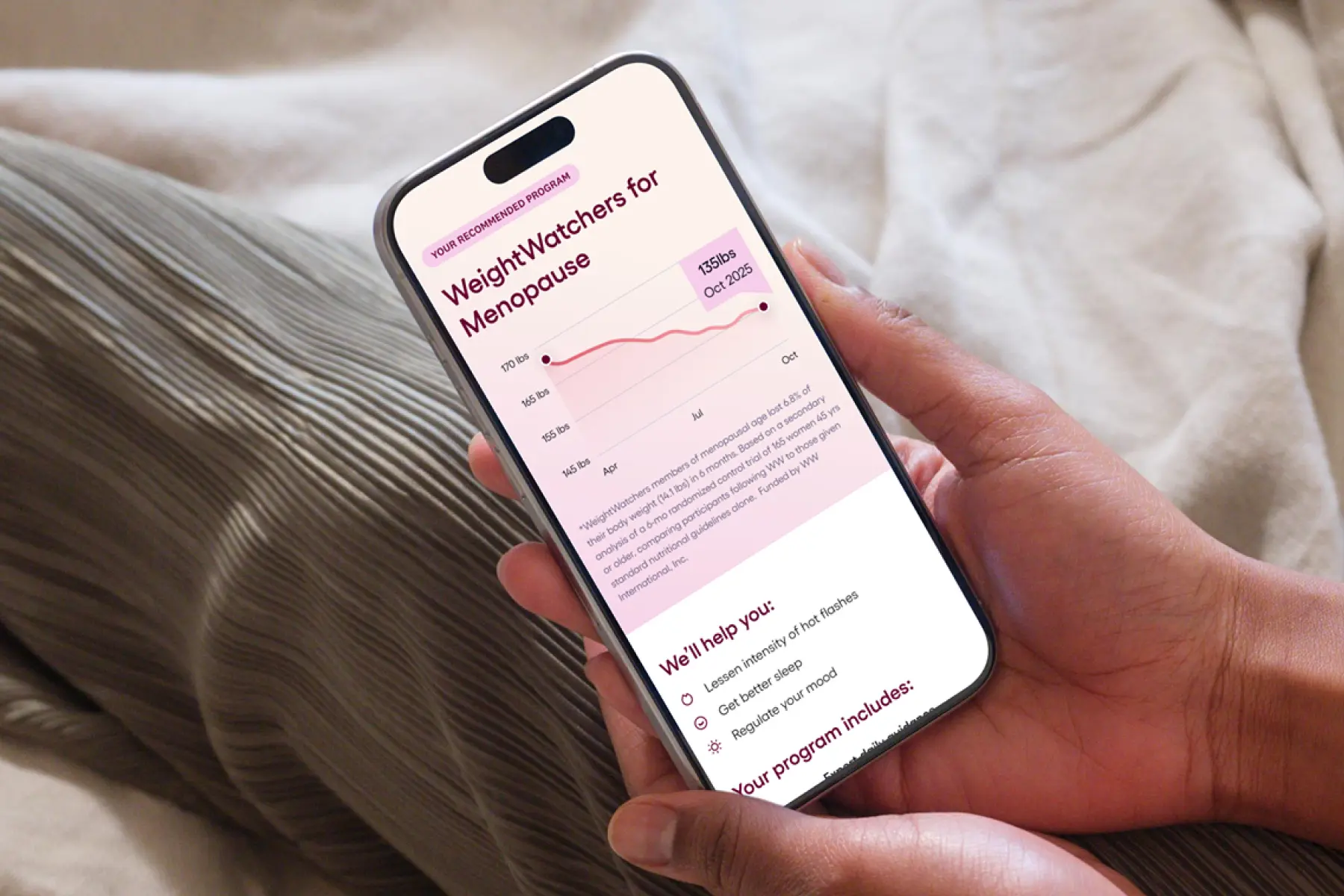
Designed the quiz into their menopause program, solo, 0 to 1.
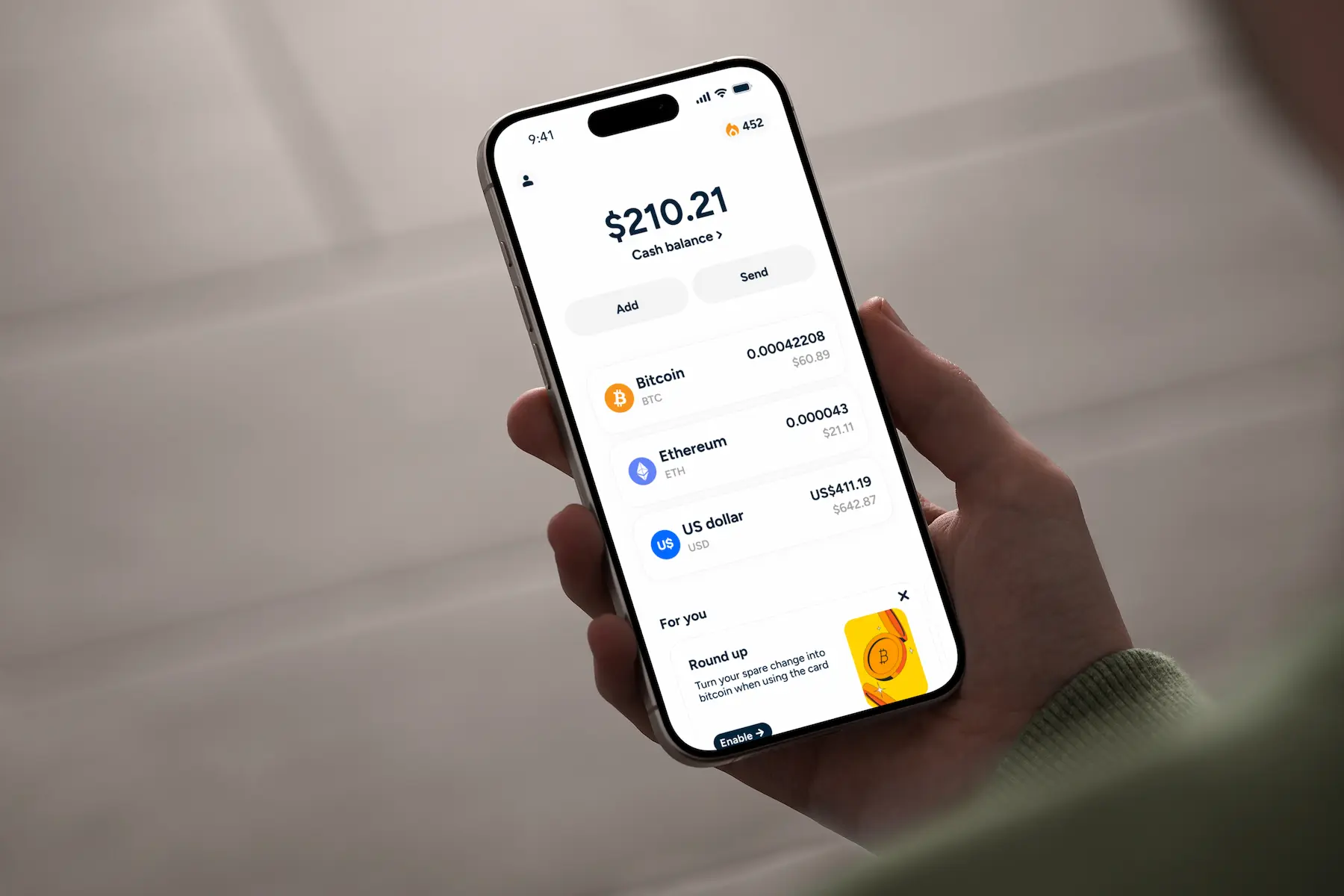
Shipped feature after feature, then built their AI prototyping tool.
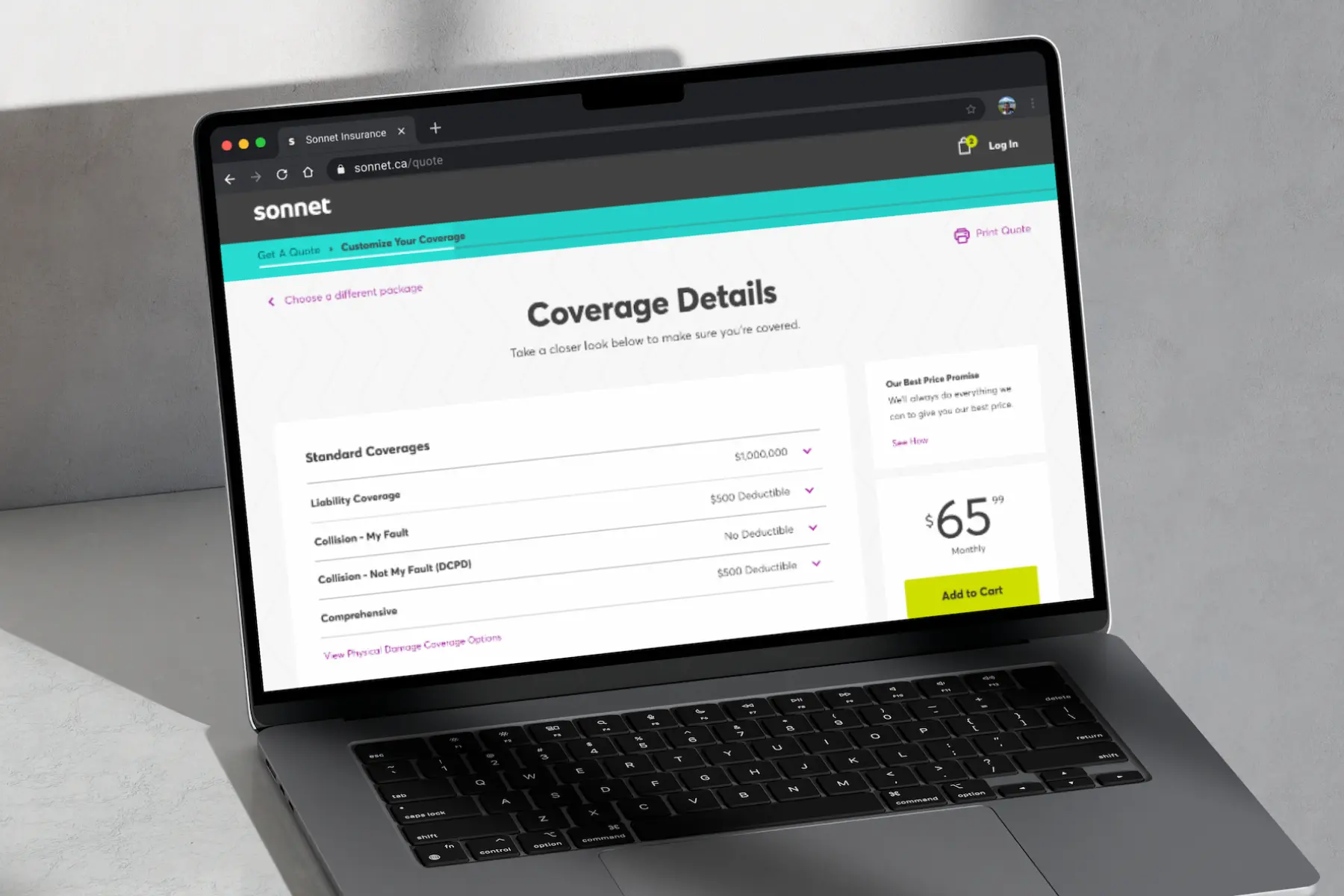
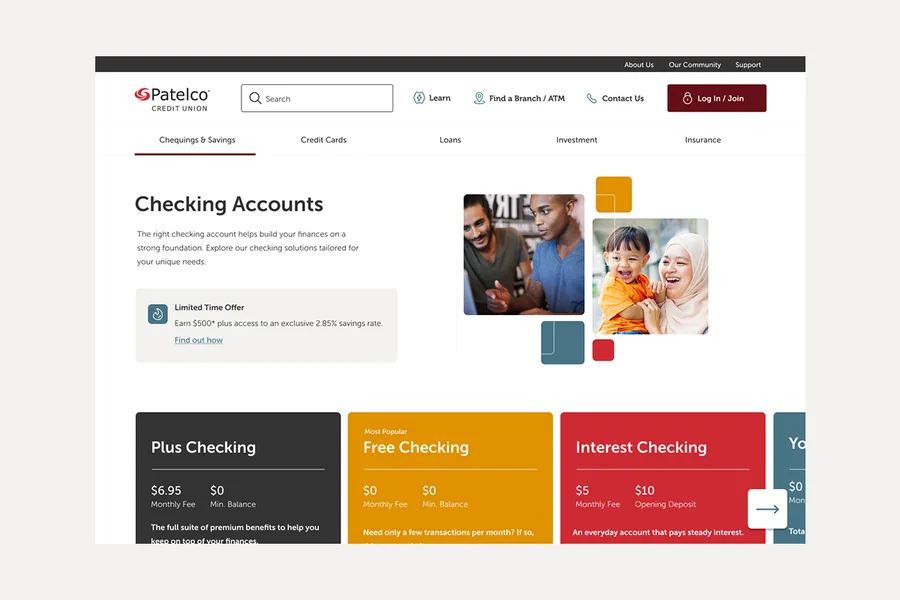
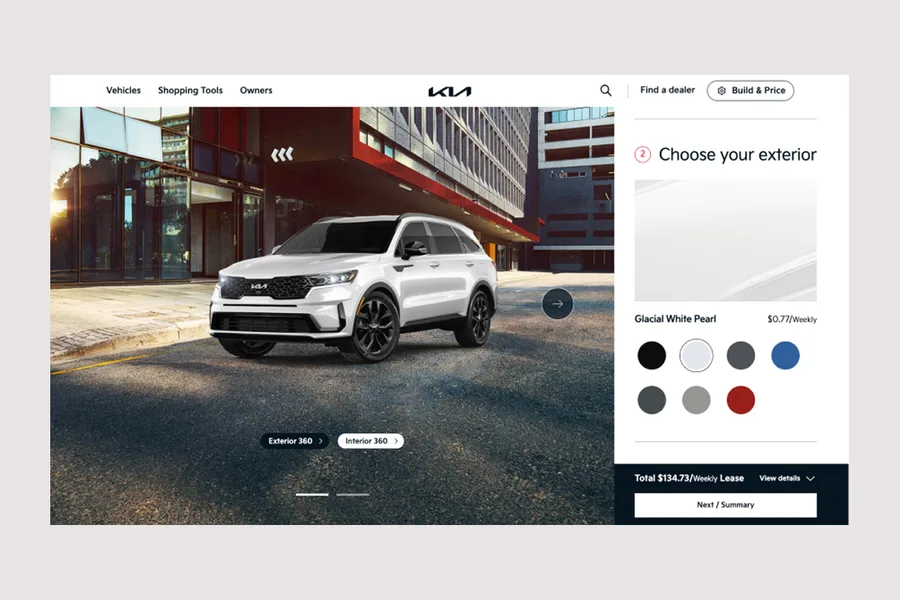
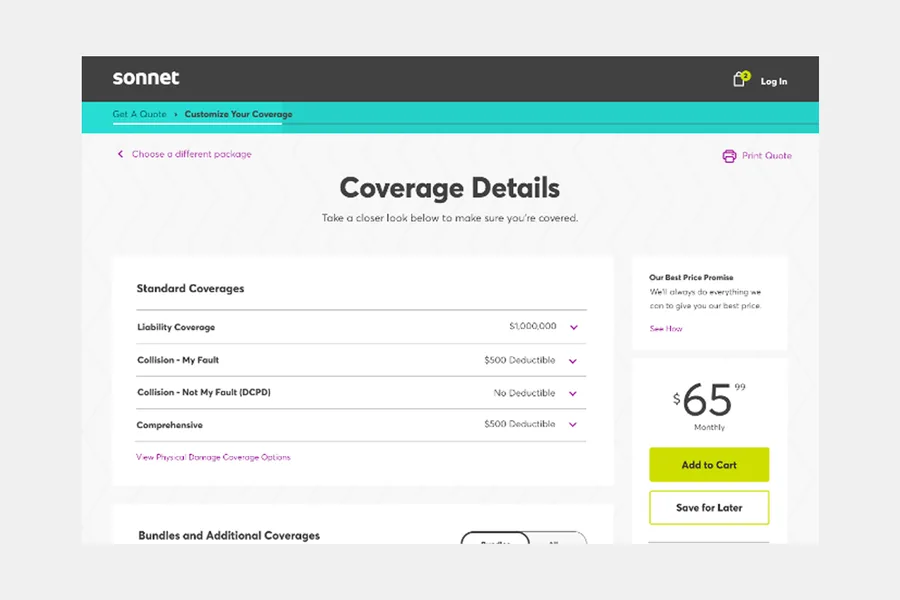
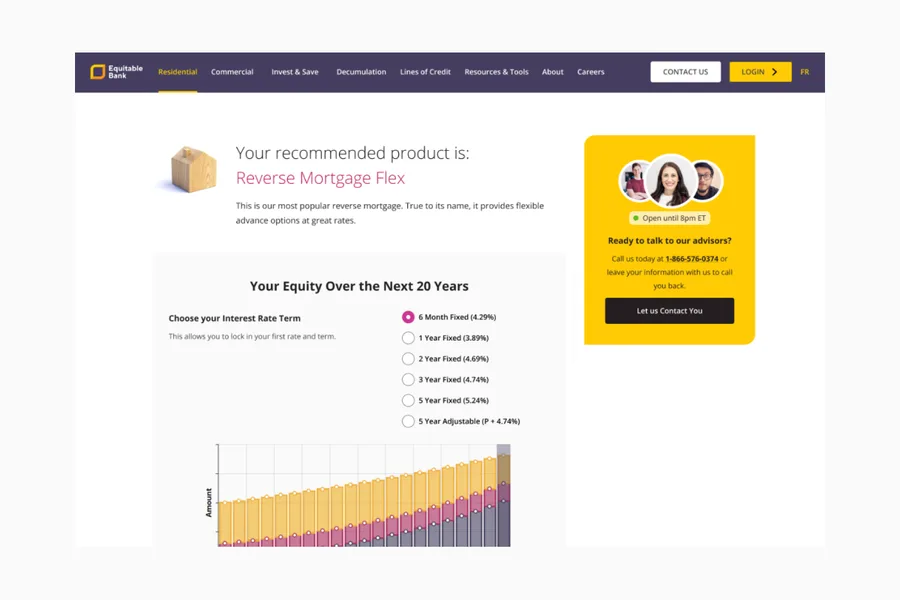
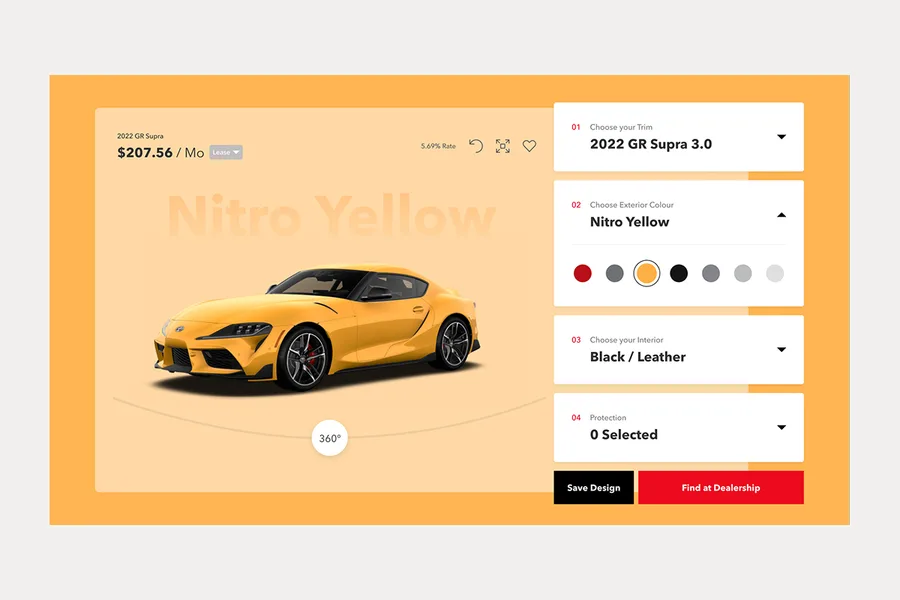
Designed Canada's first fully digital insurance purchase.
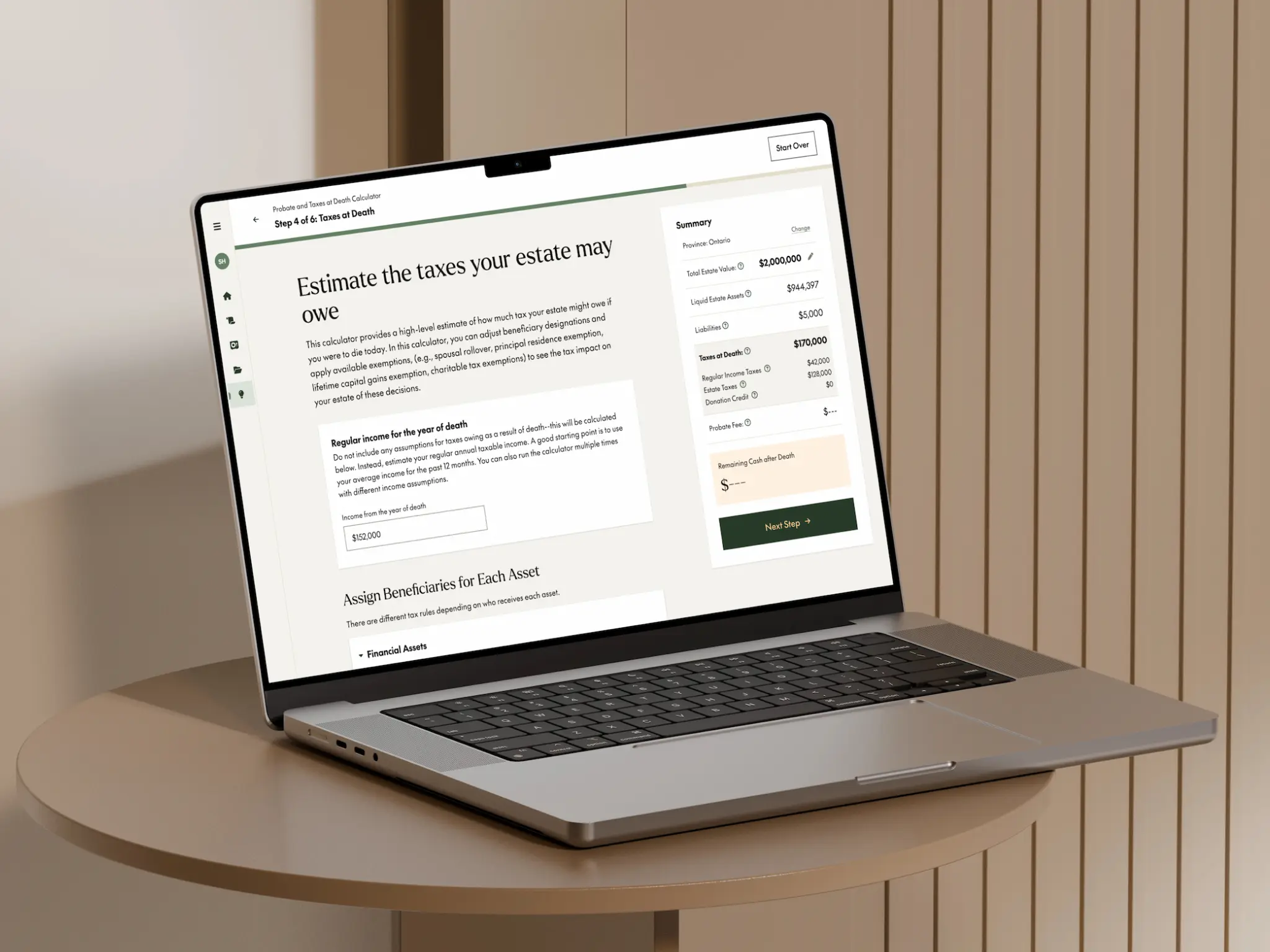
Turned estate planning into a guided, step-by-step app.
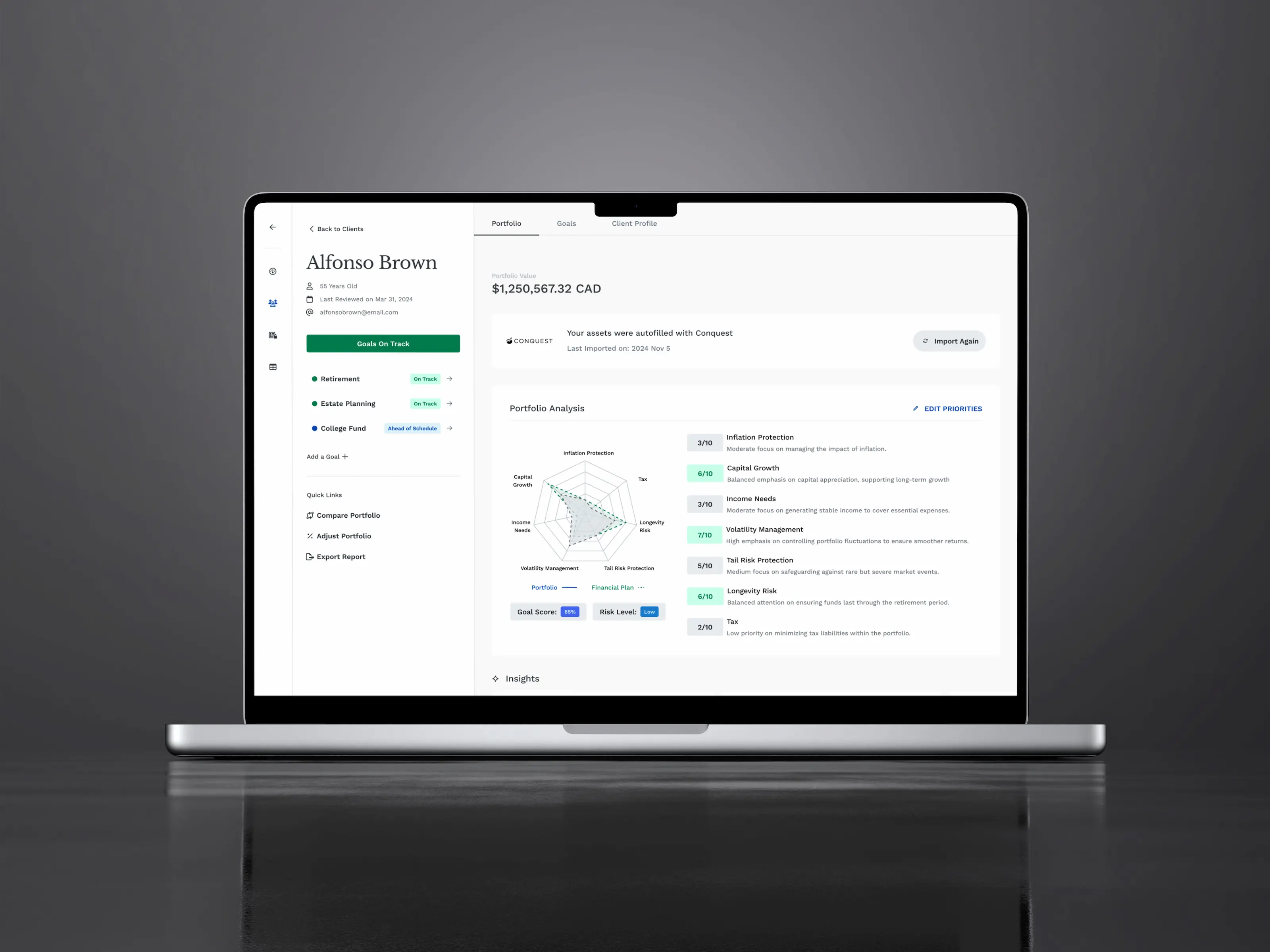
Designed an AI tool for comparing portfolio models.
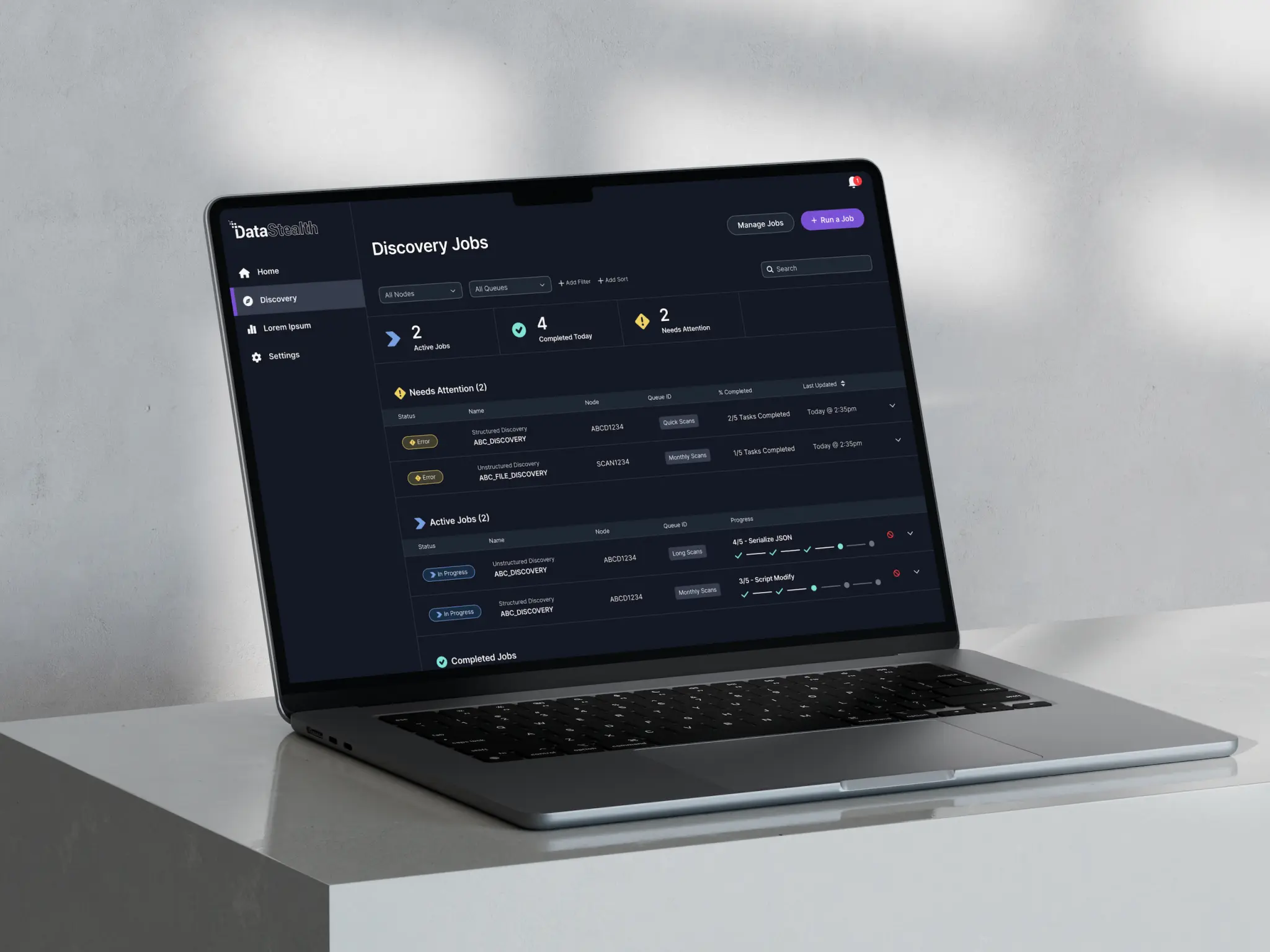
Turned a security CLI into an app teams run without white-glove help.
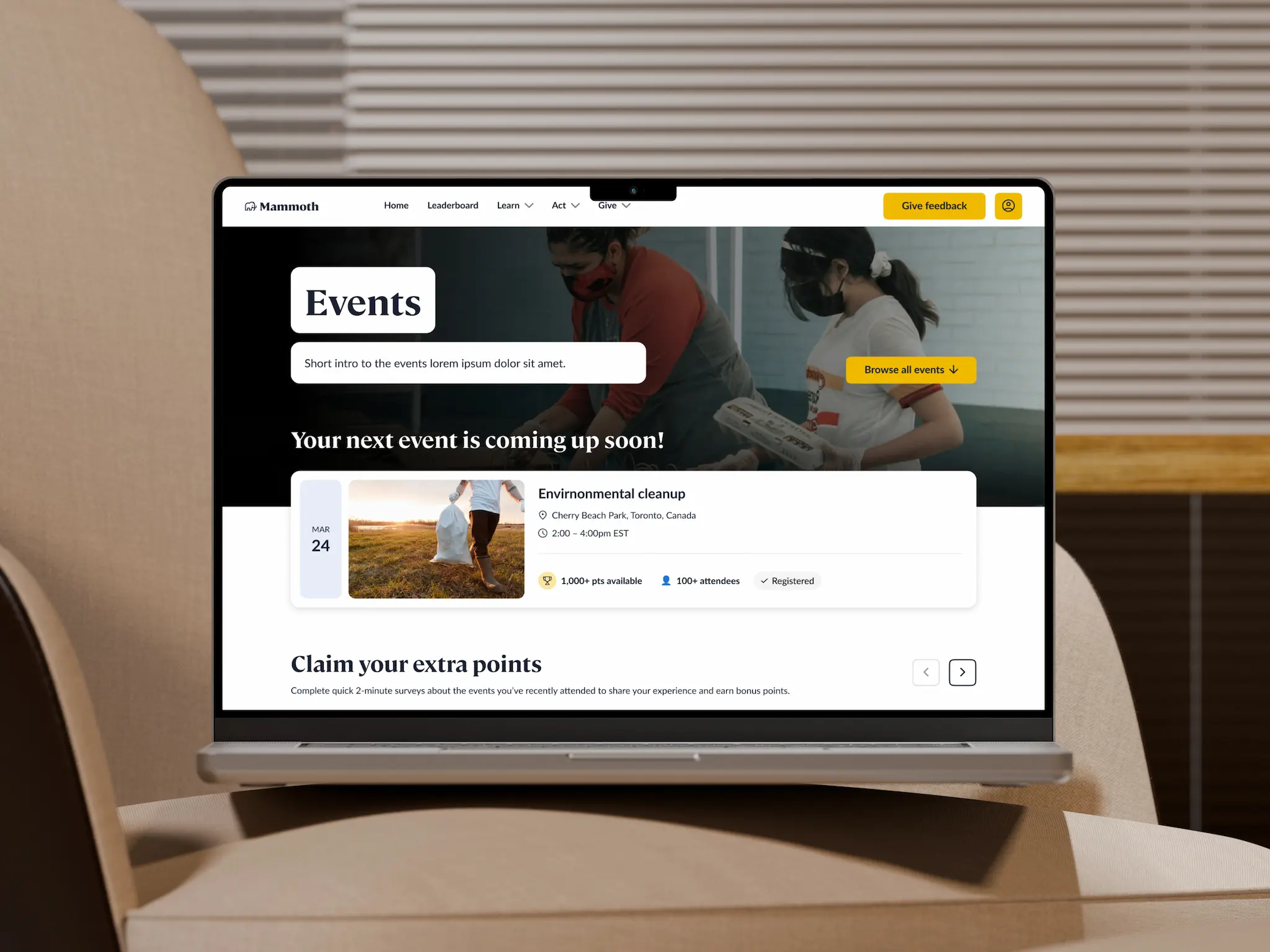
Designed the features behind their record 35% workforce turnout.
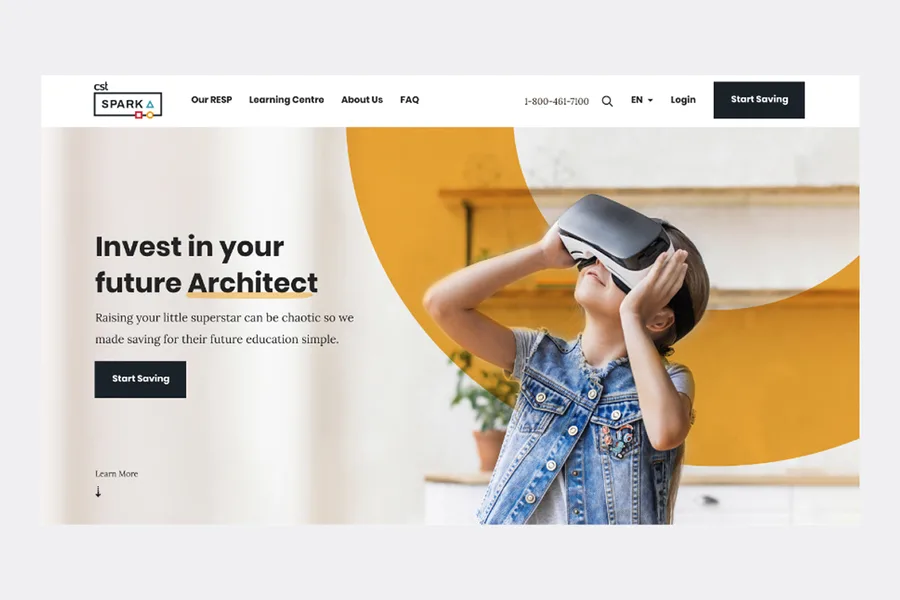
Refined their story, rebranded, and launched their new website.
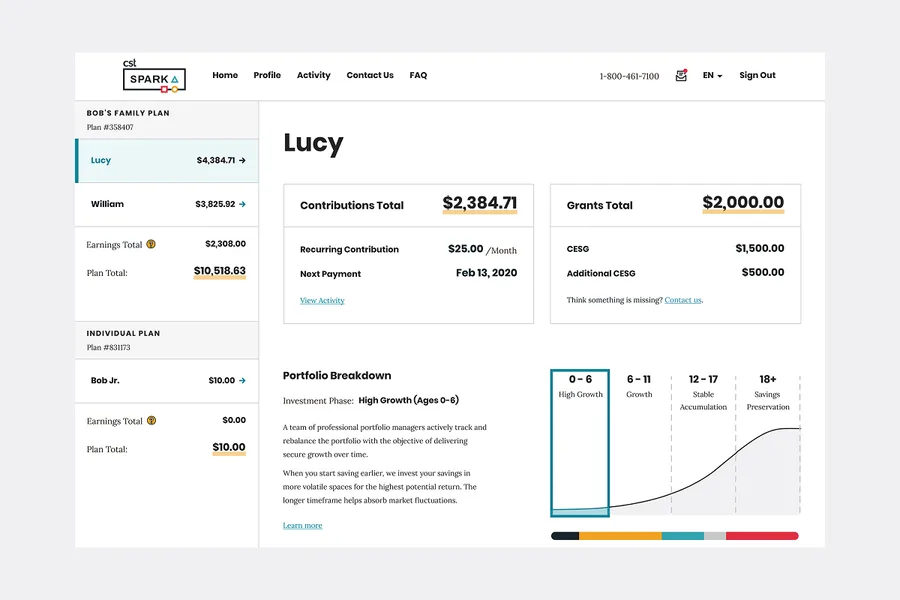
Rebuilt the app on their new brand, then added a levelling system.
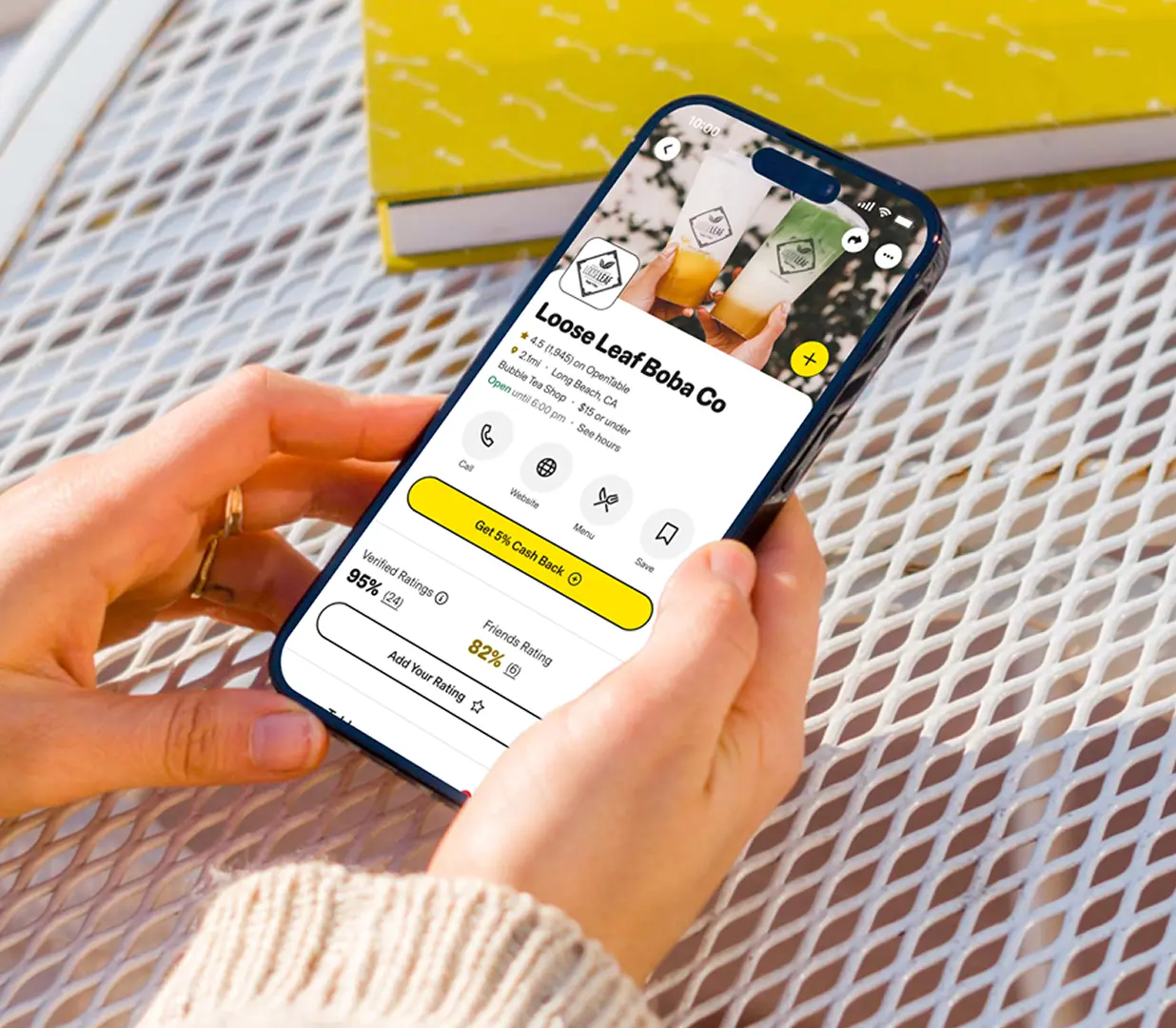
Rebuilt their onboarding, using AI to make adding equipment painless.
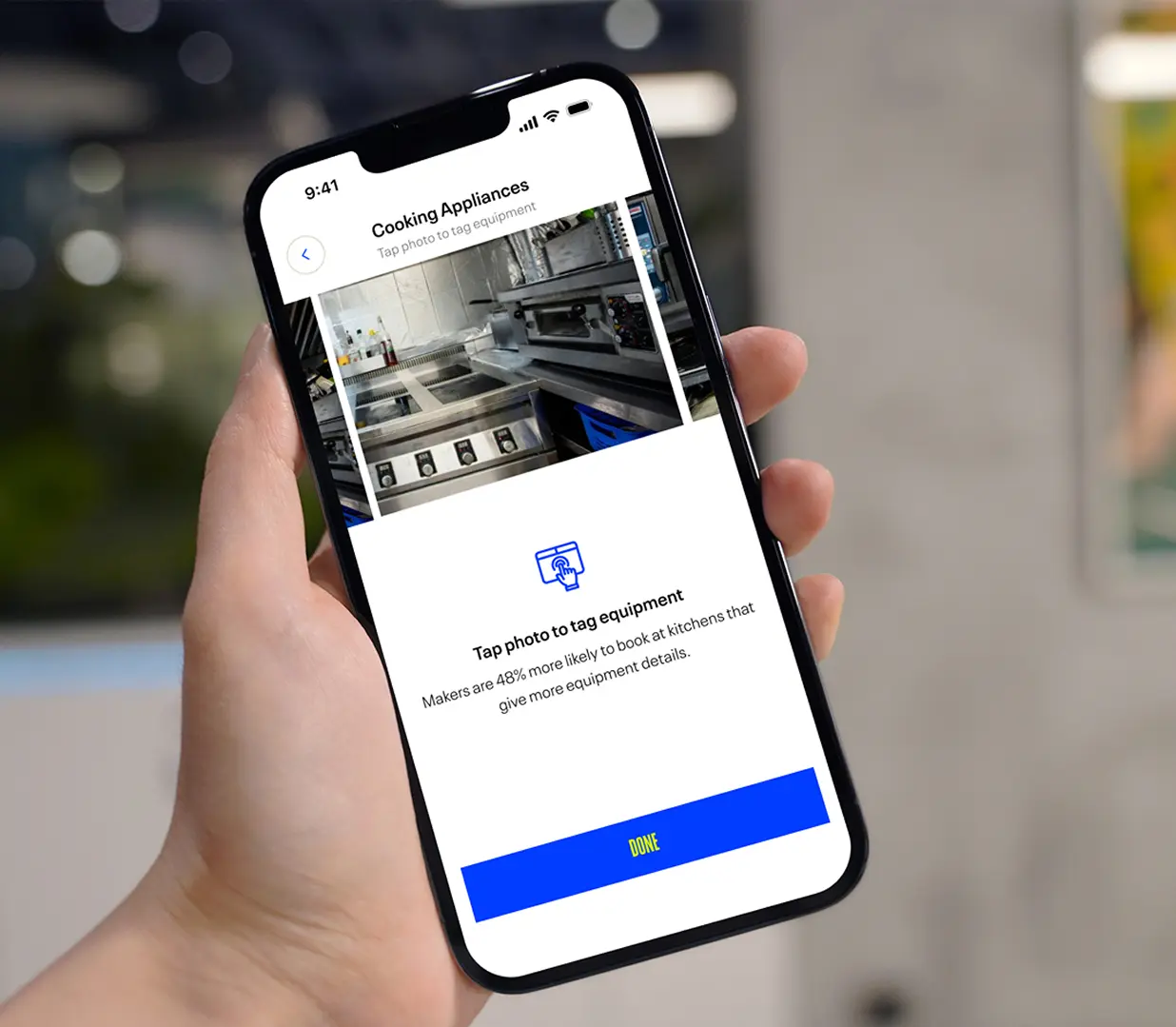
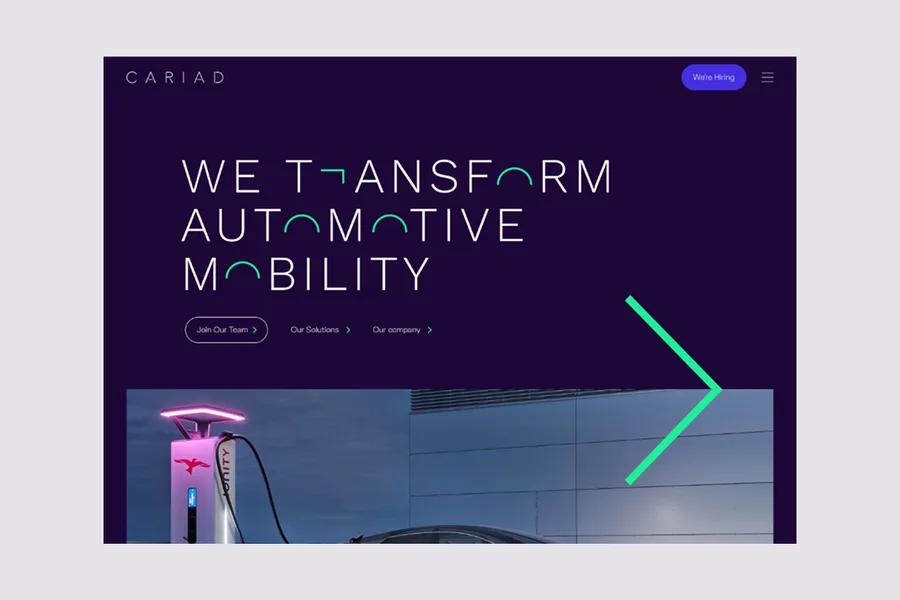
Redesigned their Canadian site for the rebrand, pushing the standard.
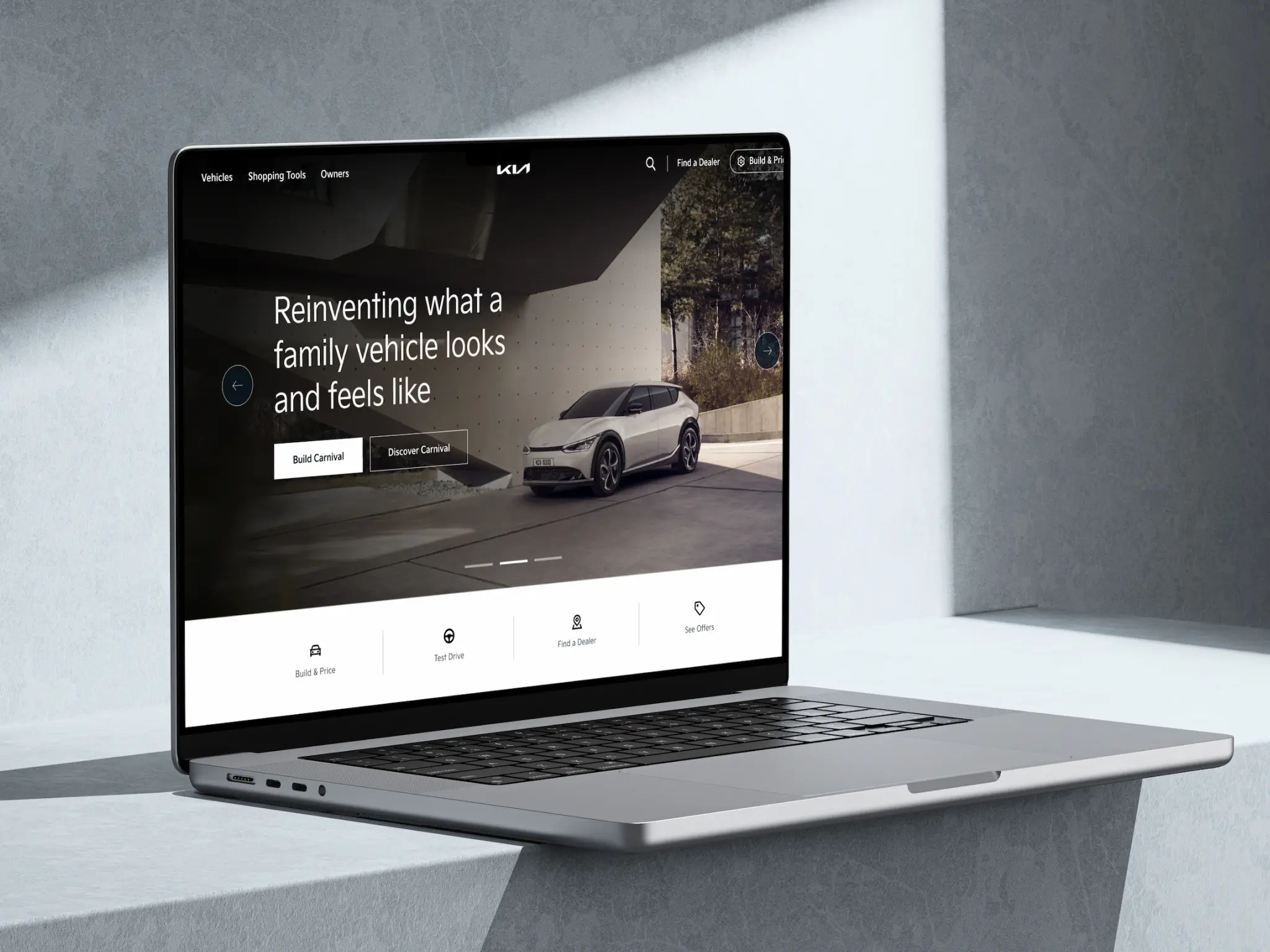
Taught UX, and designed their video-on-demand platform.
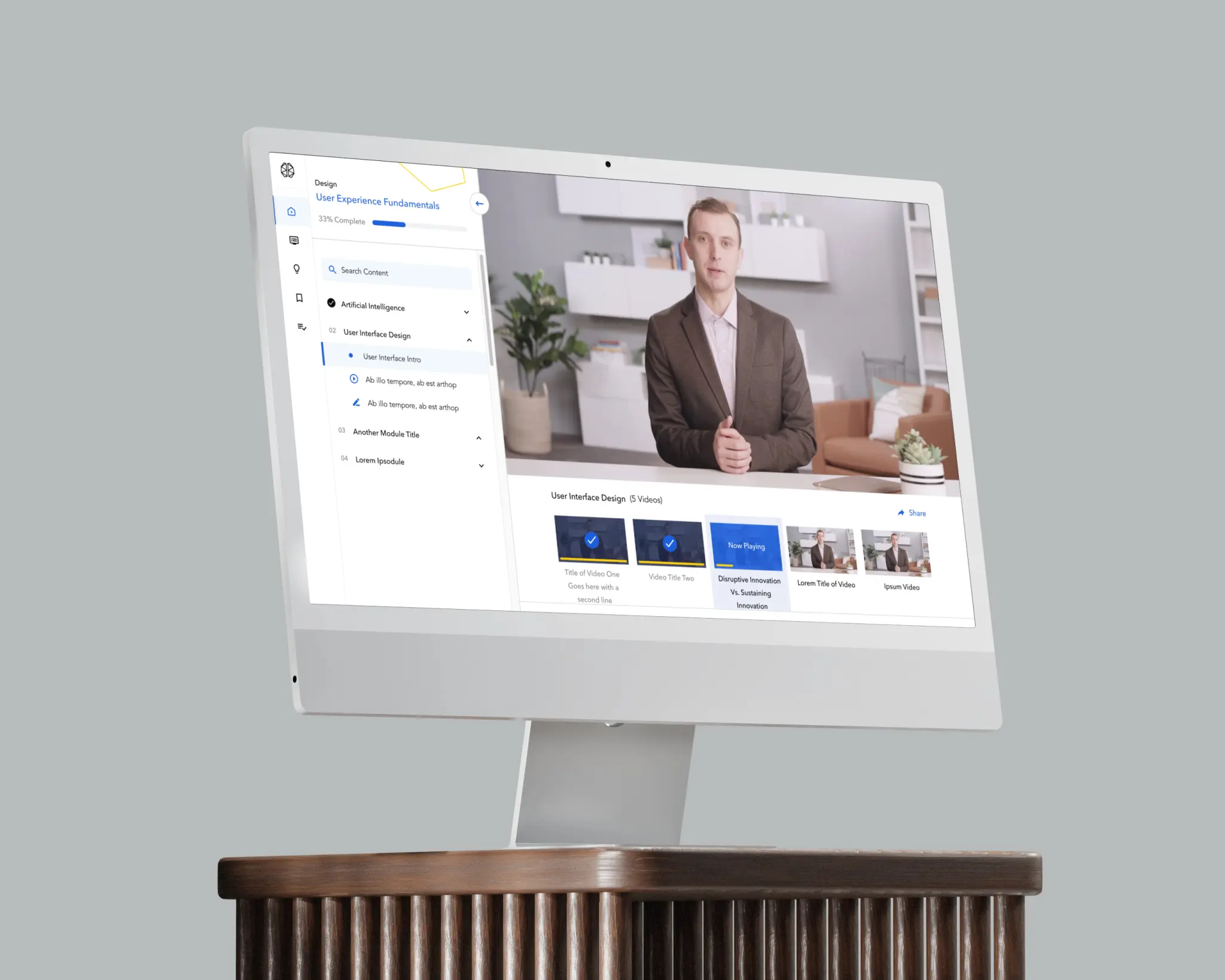
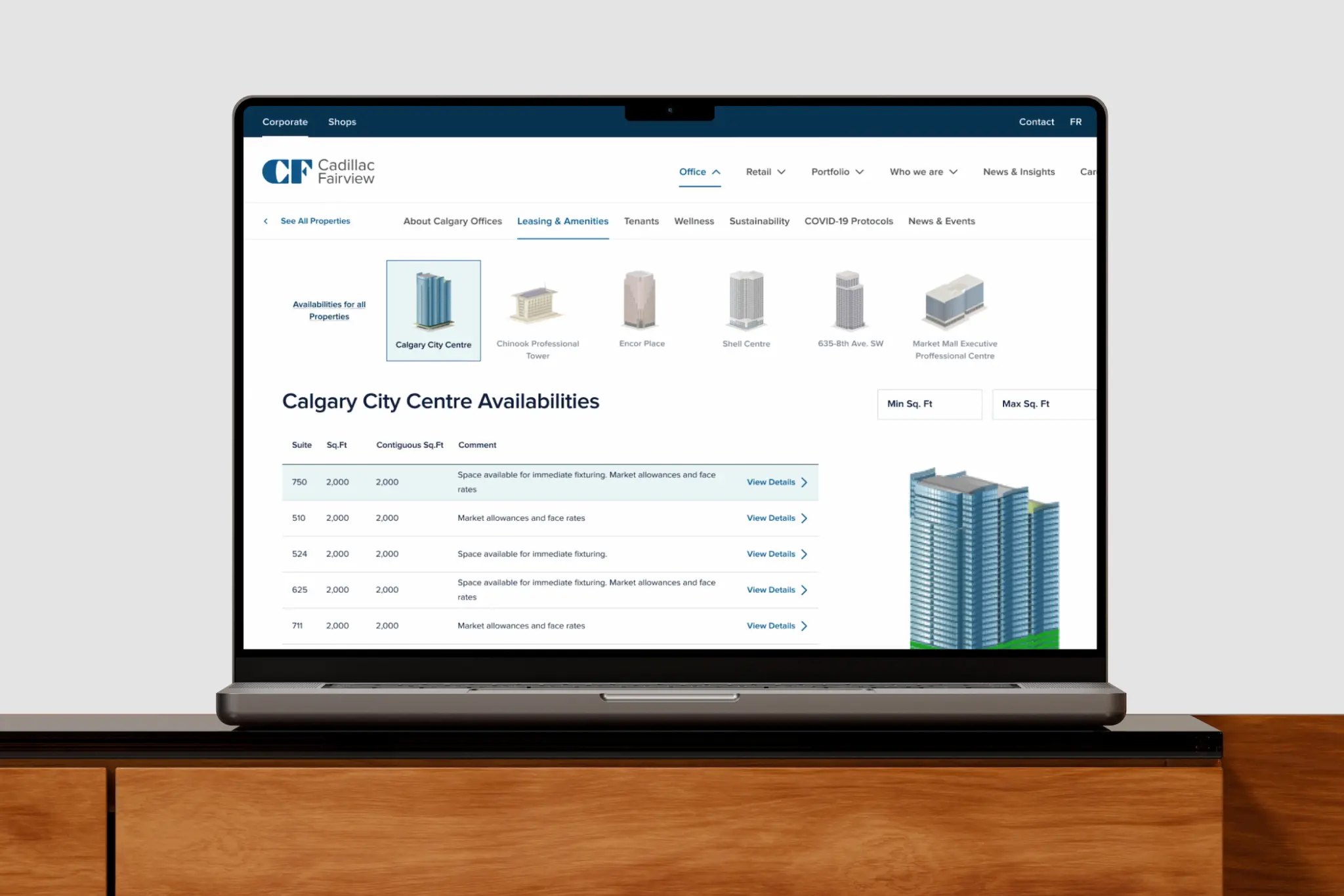
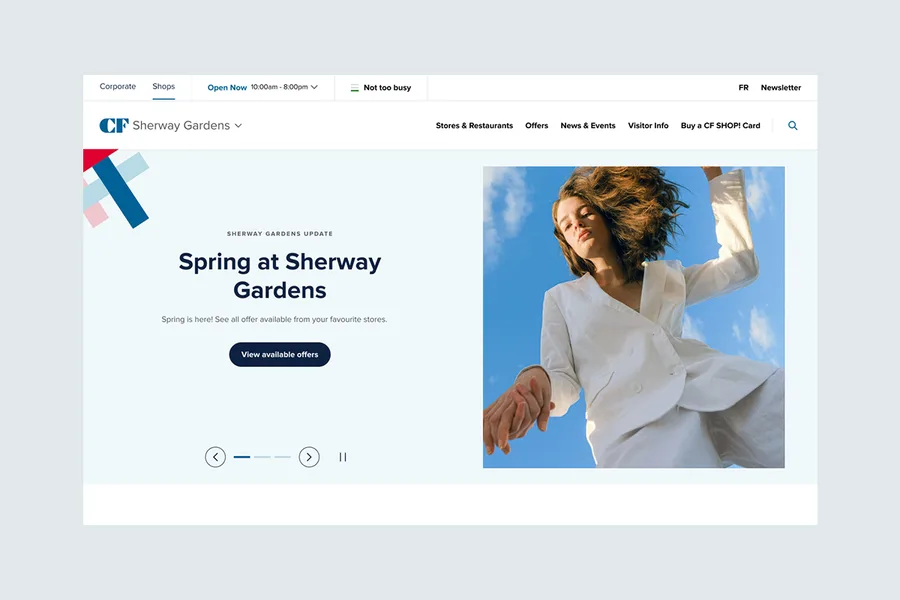
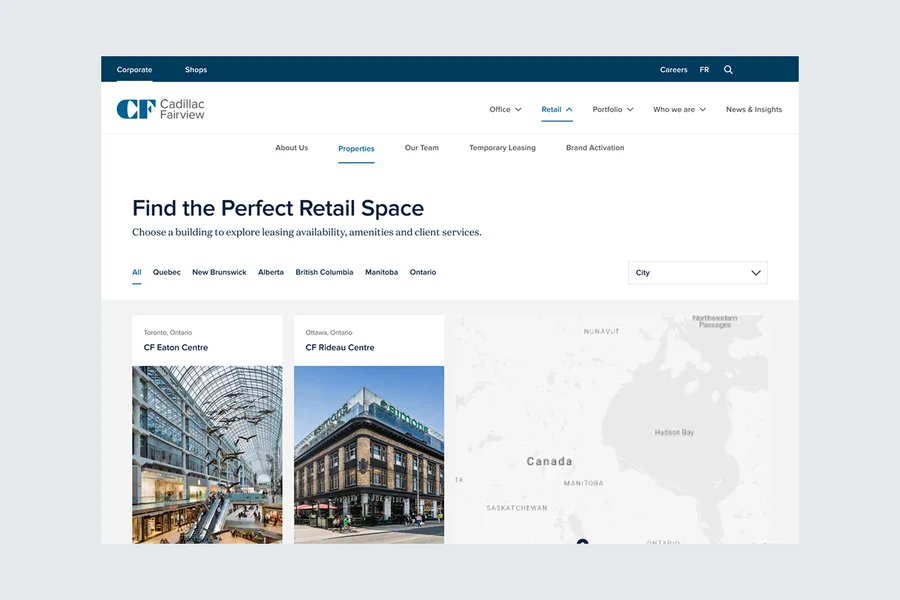
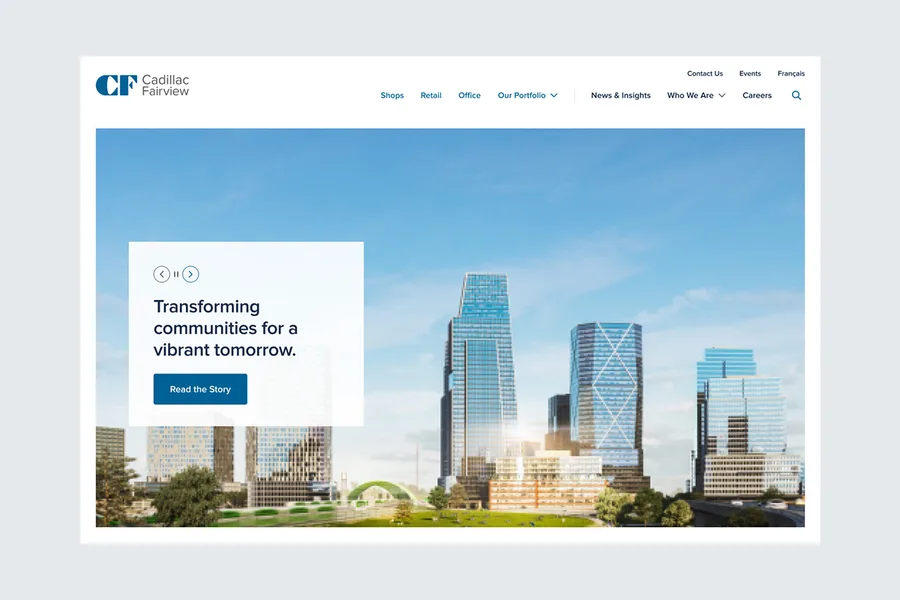
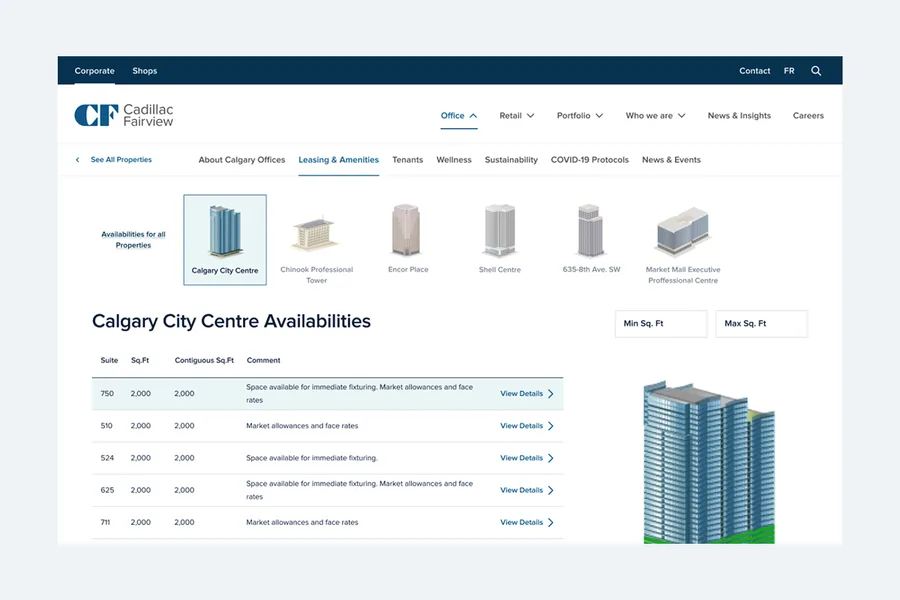
Designed their mall sites, plus the site that leases their office space.
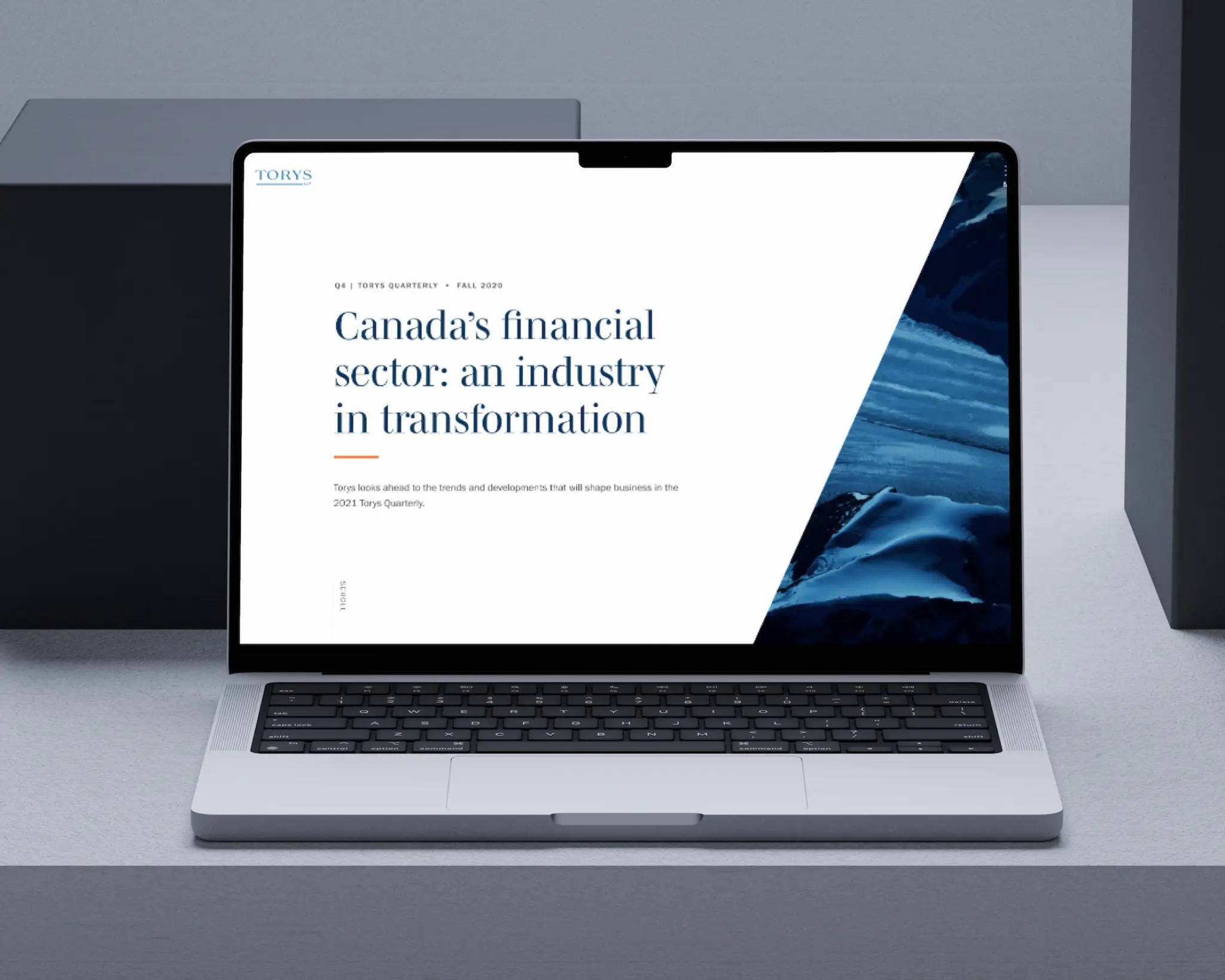
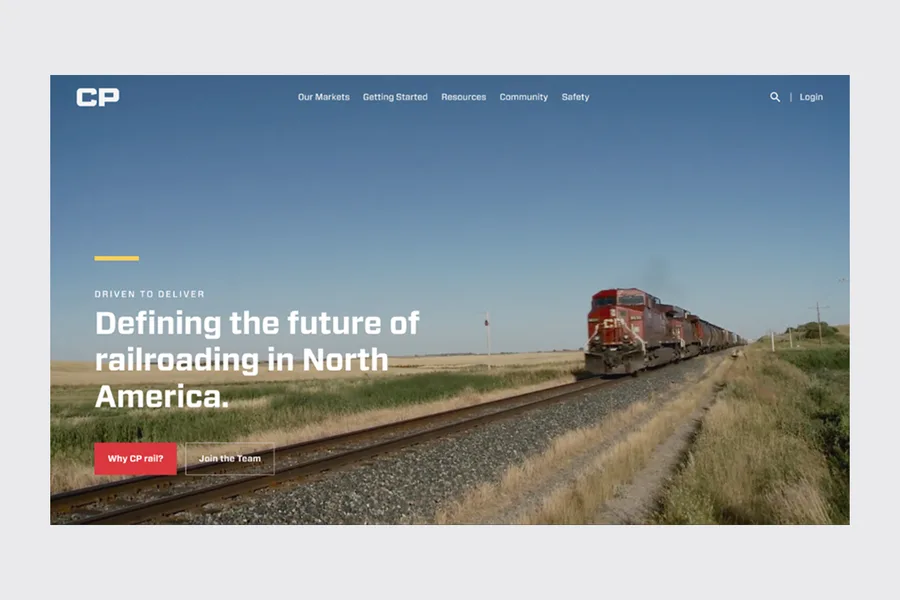
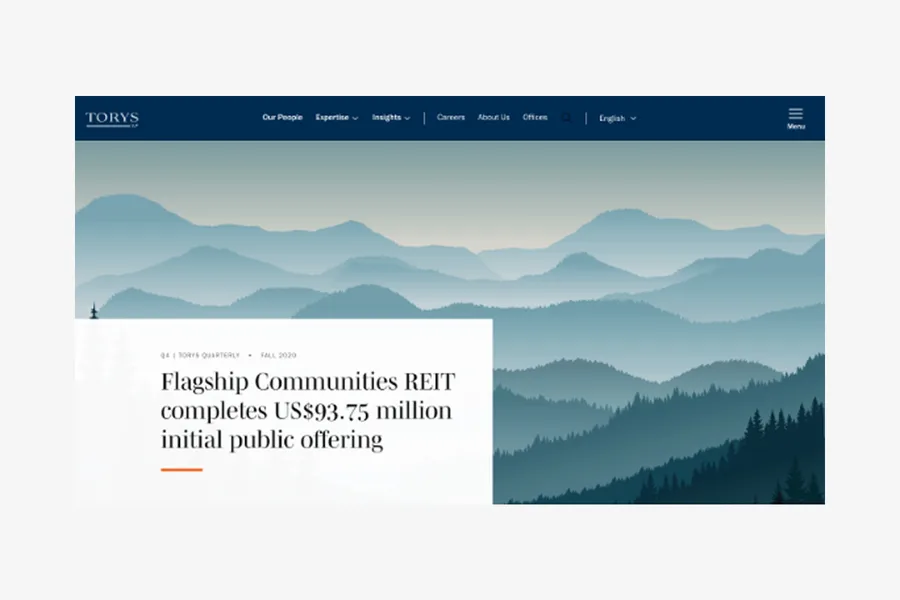
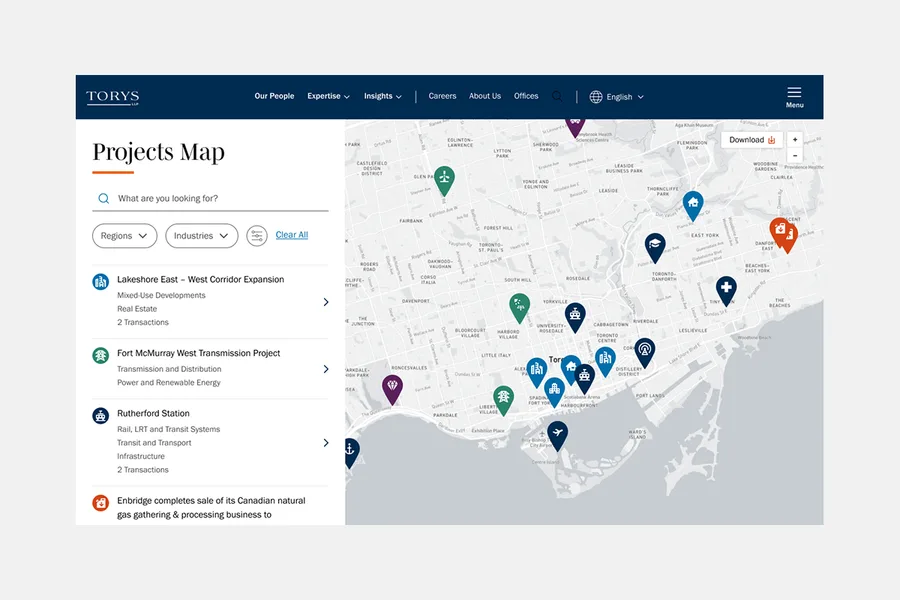
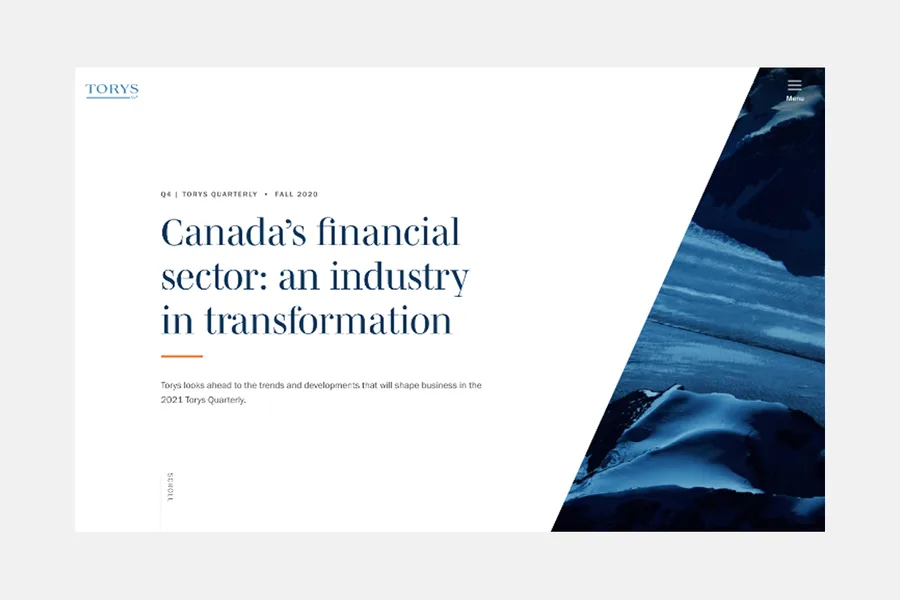
Redesigned their huge, CMS-driven site so every page stays easy to run.
Design leadership, without the headcount.
Hiring a design lead is a year of ramp, six figures of cost, and a bet that the person you interviewed is the person you'll get in month four. AI makes that bet harder to read. A portfolio can look great, and you might not see what's missing until the work is in your product.
Bringing me in is a few months and a design partner from day one. And if a full-time hire is the right next step, I'll help you work out the role and get them started.
From the people I've built with.
01
It was a real pleasure to work with Kenny. He took an app that had slowly become a collection of distinct pieces and turned it into a clean, cohesive, intuitive product. He has strong design instincts, is thoughtful about workflows, and was genuinely easy to work with throughout the project. I'm looking forward to working with him again.
May 2026
02
Kenny has an exceptional ability to take complex, technical concepts and transform them into clean, intuitive experiences that feel effortless to the user. But what I appreciated most was his role as a true thought partner. Kenny didn't just execute on a vision; he challenged it, reimagined it, and elevated it. He would often push me to rethink not only how something should look or function, but why it existed in the first place. That kind of independent thinking was invaluable and led to a significantly better product.
May 2025
03
They played an instrumental role in helping us clarify who we are, sharpen our messaging, and build a brand that better connects with customers and service providers. What stood out most was that they brought a strong sense of vision, innovation, and strategic business clarity to everything they did. They weren't just thinking about design — they were thinking about how to help us communicate our value more clearly, create alignment, and build a stronger foundation for growth.
July 2026
04
We hired Kenny to help FedEx Canada create a strategic plan for our design, user experience and content initiatives. Having worked with many design and tech professionals, I had high expectations. After a short time working together I knew we were in very skilled hands. He is incredibly gifted when it comes to big picture thinking, attention to detail and creative ingenuity. He is five steps ahead of the market, delivers for the customer and the business, and can see which way to pivot with design and experience.
October 2023
05
As our fractional UX designer, he fully integrated himself with our team — taking the time to deeply understand the customer problem and approaching each project with creativity and thoughtfulness. Kenny consistently delivered high-quality work on time and often went above and beyond expectations. His collaborative spirit, attention to detail, and positive energy made him an invaluable part of our journey. I would jump at the chance to work with him again.
April 2025
06
I had the pleasure of working with Kenny on a five-month project to redesign our core product. Throughout the project, Kenny was incredibly accommodating, seamlessly adapting to numerous changes and pivots. His comprehensive approach, from requirements gathering and prototyping to usability testing, ensured that every detail was meticulously addressed. His designs not only met our business objectives but also received excellent feedback from both our team and users.
July 2024
For those who'd rather build than circle back.
I work best with teams of 10 to 100 people, usually over three to four months.
You're a founder-led team with real product in the market, and your users trust you with their money or their health. What you've shipped feels rushed or off, and nobody can quite say why. You don't want a vendor. You want someone in the room who can tell you what's missing, with judgment built from 15 years of shipping products people use.

Who you'd be working with.
When I left design school over 15 years ago, I was sure I'd end up a package designer. Those were the classes I loved: real objects, real constraints, something a person could actually pick up and hold. Then a job interview asked me to design an iPad app (a new idea at the time) and I was hooked. What I loved about packaging turned out to be the same thing I love about products, which is making something useful that a real person will actually use.
I joined a Toronto product studio as one of two designers and left a decade later after growing the team to forty-five. I shipped over a hundred products in between, which is where I learned most of what I know, mostly by watching which decisions held up and which ones didn't.
I've worked with a lot of teams since going independent, at different stages and in different shapes. Across my career, a lot of that work has been on products where a mistake costs someone real money or real peace of mind: insurance, crypto, investing, health, estate planning. It means the first few weeks usually aren't about getting up to speed. I've probably seen some version of what you're dealing with, so we can start from there.
I'm easy to work with, and I'll still tell you when I think something's wrong. The second part only works because of the first.
Common questions from founders.
Should I hire a fractional product designer, or a full-time one?
For most 10-to-100-person teams, I'd say fractional first. A full-time hire is a year of ramp, six figures of cost, and a hiring bet you make once. Fractional is a few months, one contract, and a design partner from day one. Sometimes the fractional engagement helps you figure out the shape of the full-time role, and then you hire knowing what you're actually hiring for.
When should a startup hire its first product designer?
Once you have a real product with real users, and design decisions are getting made by whoever has the closest opinion instead of the best one. That's usually somewhere between 10 and 30 people. Before that, founder-led design is fine. After that, product debt starts compounding fast.
How much does a fractional product designer cost?
Monthly retainer, sized to the scope. I sit in the range you'd expect from a design partner at this level, and I'll quote after the first call once I know what you actually need. Happy to talk through what "scope" means for your team specifically.
What's the difference between an agency and a fractional designer?
I know this one from the inside, because I was the design director at an agency. I was the person on the sales call. Once the Statement of Work was signed, the actual design went to a designer straight out of school, who I managed, and you'd see me at status meetings. It's not bad work, it's just not the work of the person who convinced you to sign. Now you skip that layer and work directly with me. The person you talk to is the person in your standups the next morning. If you need presentation decks and an army of workers, hire an agency. If you need product judgment while you're building, that's what a fractional is for.
Why does our AI-assisted design work feel off?
Usually because output got cheap and judgment didn't. AI can make a screen look finished before anyone has decided what it should do, so each piece can look fine and the product still doesn't hold together. When nobody can say what's wrong, I start with what the user is trying to get done, what the team has actually decided, and where the product stopped being consistent. From there it's much easier to see what to keep, what to fix, and whether the gap is in the tools, the process or the role.
What's different about designing a product people have to trust?
The cost of confusion is higher. Misread a screen in a food app and you order the wrong lunch. Misread one in an insurance or investing product and you can lose real money, and you probably won't give that product a second chance. So I spend more time on the moments where people hesitate: what happens to my money, what am I agreeing to, can I undo this. A lot of the work is plain language, clear consequences and honest defaults, done without slowing the team down.
Do you only work on fintech and health products?
No. It's where a lot of my work has been and where I think I'm most useful, but I've also worked in food discovery, climate and real estate. What matters most is that you've got a real product, real users and a team ready to ship what we make.
What does a typical engagement look like?
Three to four months is the usual shape. It starts with understanding the state of things: your product, your team, your tools, and whether the problem you brought me in for is the actual one. Some of the most useful work happens before the first pixel. Then I'm in the work, shipping alongside your engineers and PMs.
Why does a few months actually work?
Because the ramp is the part I skip. Teams at this stage tend to be wrestling with a handful of the same problems, and I've usually worked through a version of them before, so we can skip the orientation and get into the actual work. That's most of what a few months buys you.
When am I the right fit, and when am I not?
Right fit: you've got a real product with real users, a team of roughly 10 to 100, and a few months of design partner work that needs to be done properly. Not the right fit: you need a logo, a landing page in a week, a free design test, or someone to run a full-time design org. I'll tell you which one you have on the first call.
Are you remote or in-person? Where are you based?
Toronto. Most of my work is remote across North America. I'll travel for kickoffs, offsites, and the moments where being in the room actually matters.